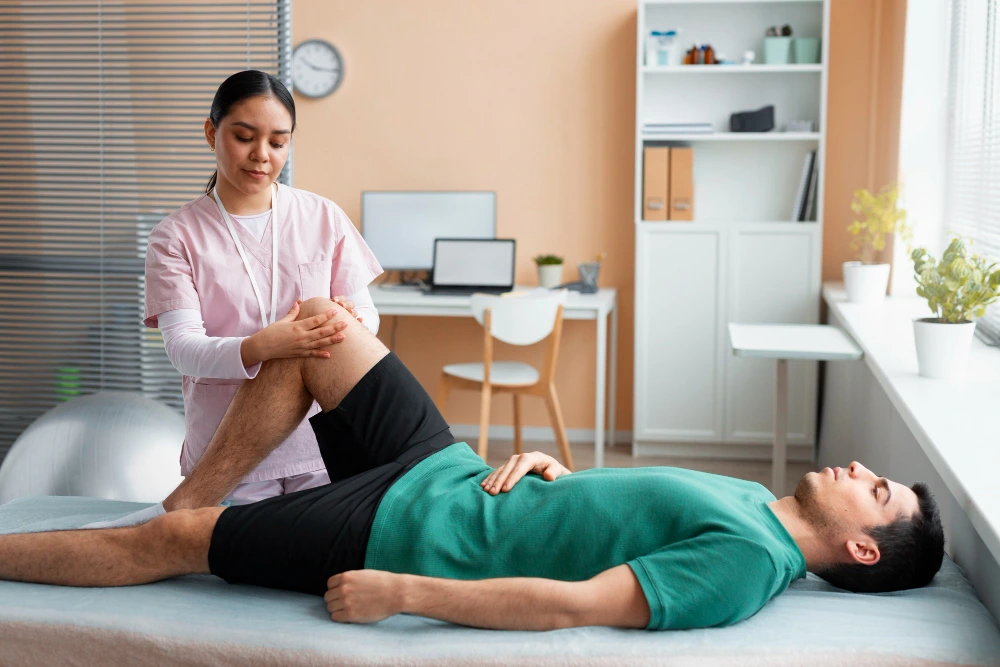
Most patients begin walking within 24–48 hours after surgery. Our anterior-lateral, tissue-sparing approach and early physiotherapy program help you regain mobility quickly and safely.
Post-surgery discomfort is minimal and well-managed with our advanced pain-control protocols. Because our technique involves less muscle cutting and soft-tissue trauma, recovery is smoother with significantly less swelling.
No major restrictions are required. Our modern surgical approach allows you to sit, bend, and walk naturally soon after surgery, without the limitations associated with traditional hip replacements.
Thanks to our quicker surgical technique and faster recovery, most patients can return home within a few days of the procedure, much sooner than with conventional methods.
Yes. The combination of a shorter operation time, faster healing, and reduced hospital stay makes the overall procedure more economical and efficient without compromising quality or safety.


Had visited Dr. Milind a few weeks back regarding my recurring shoulder n elbow pain. Doctor patiently listened to all my concern. Asked couple of questions about the same. He suggested few life style changes and some exercise. Have been following the same and have seen a lot of change. The pain is under check. Thank you.
Dr.Milind Lokhande is very professional, kind, and attentive.provided excellent care. Clear explanations, great treatment, and very supportive. Highly recommend .
I received excellent care at Vivaan Clinic from Dr. Milind Lokhande. His expertise and thoughtful approach provided significant relief from my knee pain. l highly recommend for quality treatment and patient care.
Doctor guided me well throughout my knees treatment, he has been like a son ,very warm to reach out. Very thankful.